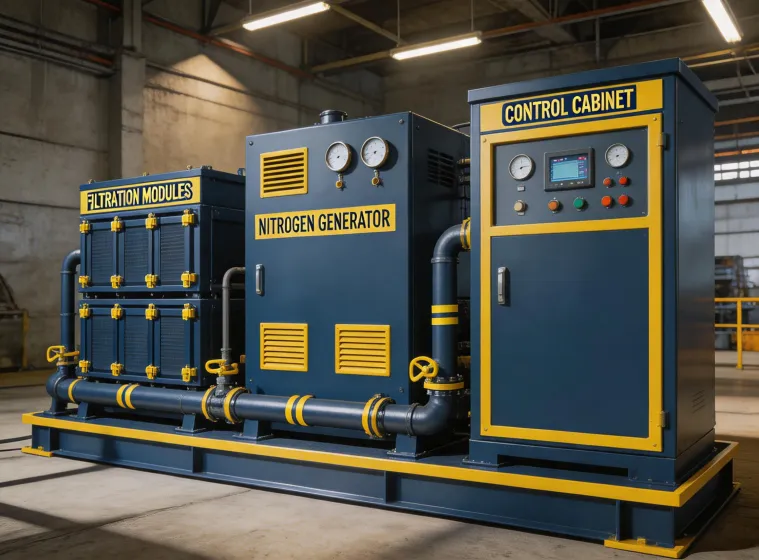
Power generation skid in a mining utility plant

Specification-led power generation equipment for energy and mining sites.

Parker Hannifin helps project engineers evaluate nitrogen generation, fuel conditioning, filtration, and utility power support with the documentation discipline required for remote mines, oilfield pads, and critical industrial plants.

Power equipment evaluation criteria organized for technical purchase review.

The following groups mirror the way engineering teams compare packaged generators, gas treatment skids, and nitrogen systems before releasing an equipment requisition.

ParameterEngineering reference
Output rangePackaged auxiliary power, fuel gas treatment, and nitrogen support for continuous industrial duty.
Operating profileBase load, standby, peak shaving, and process support modes documented by load case.
Site conditionsAltitude, dust loading, temperature swing, and vibration inputs captured before configuration.

DeliverableReview use
Drawing packGeneral arrangement, utility connection, lifting, and service clearance review.
Inspection recordsPressure, electrical, and functional test evidence for procurement files.
Hazard reviewArea classification, purge logic, and vent routing considerations for oil and gas sites.

Support itemPractical outcome
Commissioning planCold check, start-up, load acceptance, and handover sequence aligned with site safety rules.
Maintenance basisFilter change, analyzer calibration, and spare part intervals tied to duty and contamination.
Revision controlDatasheets and manuals kept consistent with final accepted configuration.

Four specification rows that reduce ambiguity before procurement.

ISO

Traceable quality documentation

Component certificates, functional test records, and revision-controlled datasheets are prepared for engineering files instead of being assembled after shipment.

QMS
N2

Nitrogen generation matched to process demand

Flow, purity, dew point, and pressure stability are reviewed together so a nitrogen system is sized around actual process duty rather than a nominal nameplate value.

PSA
FAT

Factory acceptance logic before dispatch

Control sequences, alarms, leak checks, and electrical continuity are documented before equipment leaves the workshop, giving remote projects a clearer receiving baseline.

TEST
24/7

Commissioning and parts support path

Critical spares, filter elements, sensors, and service instructions are mapped to the operating environment so site teams can maintain uptime after handover.

OPS
0111Filtered brand keywords retained for technical demand mapping
023Core review layers: load, compliance, lifecycle
03ISODocumentation-first support language for project files
04N2Nitrogen generator focus within the power systems scope

Questions engineers usually ask before releasing a power equipment inquiry.

Specification

Flow, purity, inlet air quality, ambient temperature, duty cycle, receiver volume, and allowable pressure variation should be shared together.

Yes. Datasheet fields, drawing references, inspection records, and commissioning notes can be organized around the requisition review sequence.

Site Integration

Dust loading, service access, fuel variation, elevation, heat rejection, and spare part availability are reviewed before final configuration.

The handover package defines inspection intervals, filters, analyzer checks, alarm response, and the recommended spare list for the first operating cycle.

Compact engineering references for early-stage comparison.

PDF

Power Generation Equipment Inquiry Checklist

Load profile, fuel source, site environment, and compliance inputs.

1.8 MBRequest
XLS

Nitrogen Generator Sizing Worksheet

Purity, flow, pressure, and storage assumptions for initial review.

820 KBRequest
PDF

Commissioning Record Outline

Cold checks, start-up sequence, alarm verification, and handover notes.

1.2 MBRequest

Bring Parker Hannifin into the specification conversation before equipment is frozen.

Send the design basis, site notes, and target documentation package. Our response will focus on practical equipment boundaries, integration risk, and the information your procurement file needs next.

  • Power generation and nitrogen support scope review
  • Datasheet gaps identified before quote comparison
  • Lifecycle notes for filters, analyzers, and controls

Start a specification review

Use the inquiry form and include operating context, not just model names.

Open Inquiry Form